Boca Raton Acupuncture
Dry Needling in Boca Raton
Dr. Fields treats muscle and joint pain with his own blend of sports medicine: dry needling for knotted, overworked muscles, orthopedic style acupuncture to assess and treat how the joint and surrounding tissue are moving, and traditional Chinese medicine to look at the whole person. He is trained in sports medicine acupuncture and orthopedic style acupuncture, and certified in dry needling and trigger point injections.
Dry needling targets trigger points: tight, tender knots in overworked muscles. A fine needle is placed into the knot, which often produces a brief twitch before the muscle relaxes.
Dr. Fields is certified in dry needling and often blends it with classical acupuncture points, so the session addresses both the local knot and the wider pattern found in your exam.
Expect some soreness for a day or so afterward, similar to a hard workout. Ask about aftercare at the end of your session.
Related treatments
Information on this page is educational. It is not a promise of any result, and it does not replace care from your physician. Results vary from person to person.
How dry needling works
Dry needling uses a fine, sterile needle placed into a trigger point, a tight and tender knot in a muscle. A brief twitch is common, and the muscle often feels looser afterward. Dr. Fields usually blends it with classical acupuncture points chosen from your exam.
Trigger point injections and dry needling
Dry needling releases a trigger point with a fine, solid needle and nothing injected. Trigger point injections, offered here as acupuncture injection point therapy, also called acupuncture trigger point therapy, place a small amount of an injectable at the same kind of tender knot. Dr. Jonathan M. Fields, DAOM, is certified in both dry needling and trigger point injections, and he will explain which approach, or which mix, fits your exam.
Sports medicine and orthopedic style acupuncture
Dr. Fields is trained in sports medicine acupuncture and orthopedic style acupuncture. That means a hands on assessment of how a joint moves, which muscles are guarding, and where the strain is really coming from, before any needle goes in.
Supportive recovery options: red light therapy, PEMF and PRP
Alongside needling, the clinic offers red light therapy and PEMF (pulsed electromagnetic field therapy). Both are gentle, non invasive options that may help support recovery, and they are often added to a session for sore, overworked tissue.
PRP (platelet rich plasma) is also available at the clinic after a medical evaluation, which decides whether it is suitable for you.
These are supportive options, not promises of any result. Which ones make sense is decided at your visit.
Who it may help
- People with tight, overworked muscles in the neck, shoulders, back, hips or legs
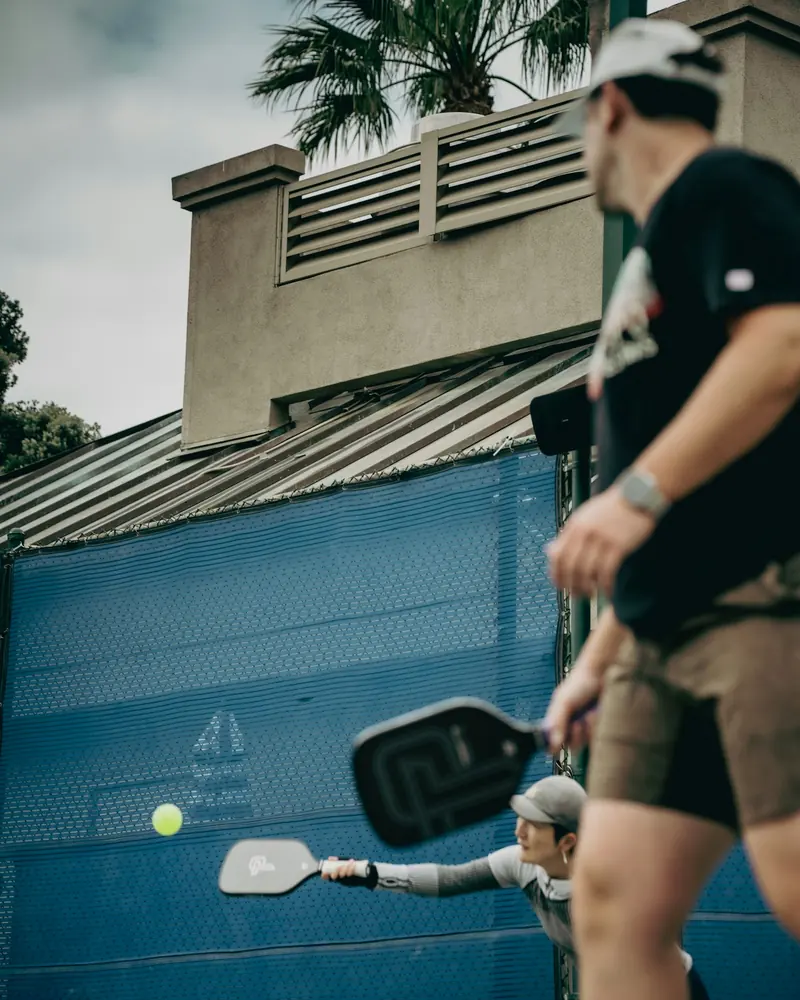
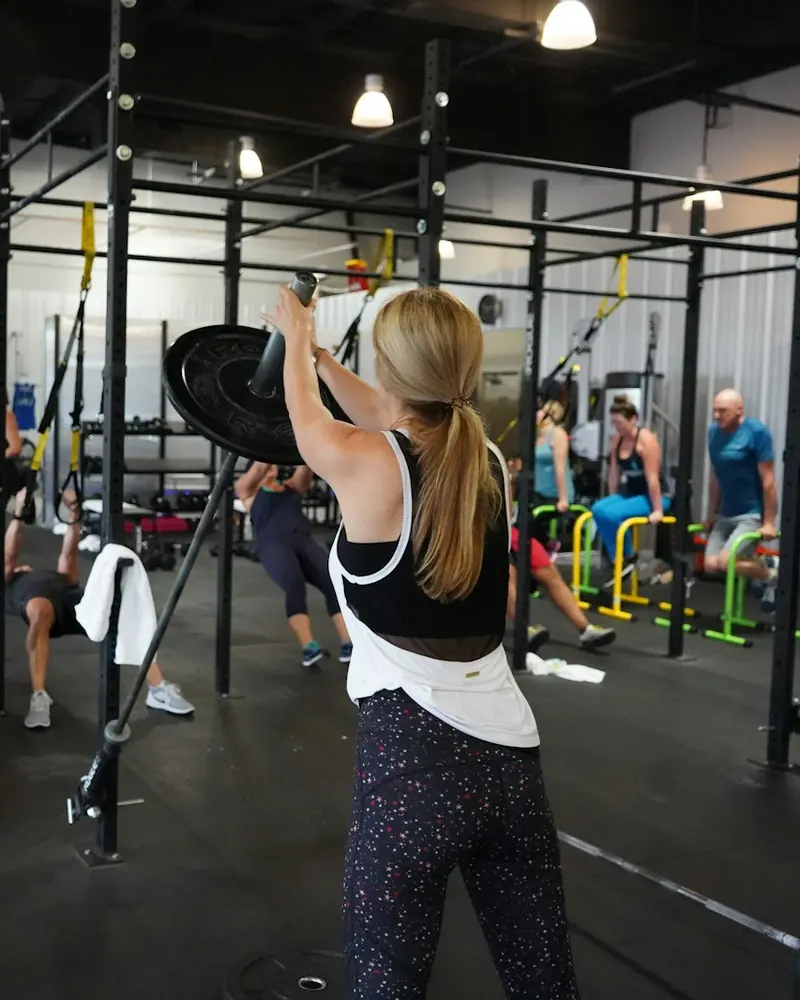
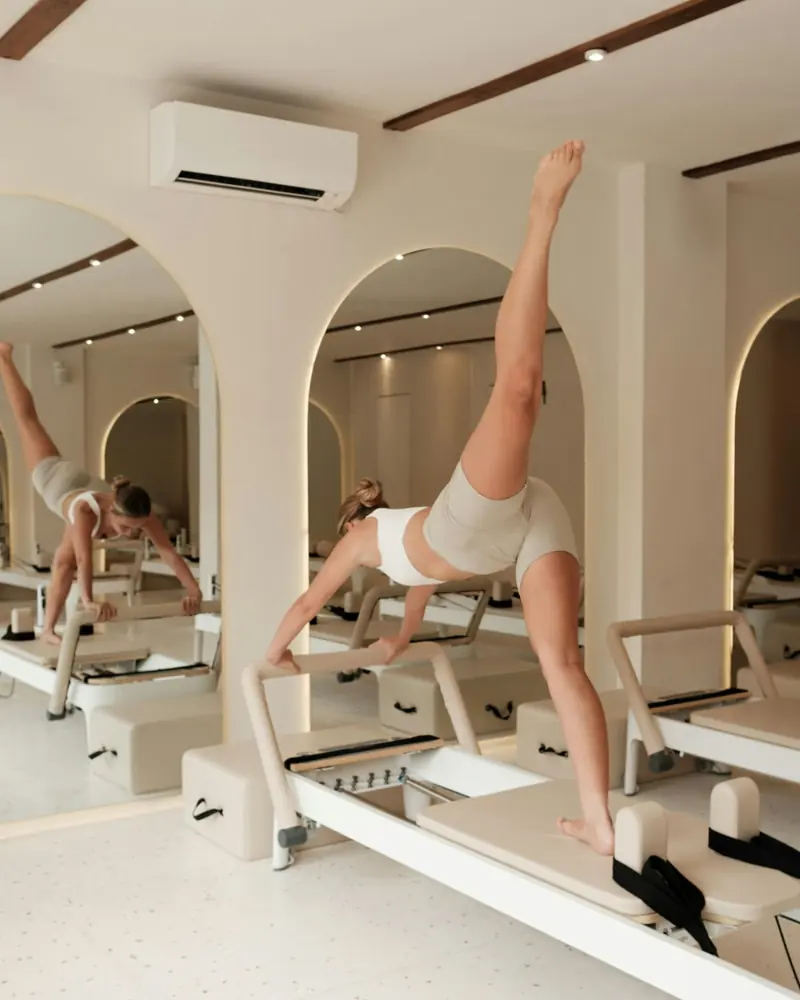
- Athletes and active adults who train hard, from pickleball to HIIT and reformer Pilates
- People whose desk work leaves them stiff and sore
What to expect
- A short history and a hands on exam to find the trigger points
- Needling of the knots, often with classical acupuncture points
- Some soreness for a day or so, similar to a hard workout
- Aftercare tips such as gentle movement, water and heat
Frequently asked questions
Is dry needling the same as acupuncture?
Both use fine needles. Dry needling focuses on trigger points in muscles, while acupuncture uses points chosen from a Chinese medicine exam. Dr. Fields often combines the two.
Does it hurt?
You may feel a brief cramp or twitch as the knot releases. Mild soreness afterward is common and usually passes within a day or two.
Can I work out after dry needling?
Light movement is usually fine. Ask Dr. Fields at the end of your session about returning to hard training.
Staying active in Boca Raton
Dry needling for people who train
Pickleball courts, bootcamp and HIIT classes, and reformer Pilates studios keep a lot of Boca Raton busy. When a shoulder, back, knee or hip starts to nag, or you simply want to recover well between sessions, acupuncture and dry needling can be part of the plan alongside your physician, physical therapist or coach. Dr. Fields asks what you play, how often you train and what you want to get back to, and plans around it.